June 21, 1582 - Kyoto

The Honnō-ji Incident

本能寺の変

A single morning in Kyoto that ended Oda Nobunaga's rise and reset the fate of Japan.

Honnō-ji temple in Kyoto
Honnō-ji temple, the site of the attack.
Introduction

A single morning that reset a nation

On the morning of June 21, 1582, Akechi Mitsuhide turned his army on his own lord, Oda Nobunaga, who was staying at the small temple of Honnō-ji in Kyoto with only a handful of attendants.

By noon the temple was burning, Nobunaga was dead, and the political map of Japan had been thrown open. The incident is one of the most famous turning points of the Sengoku period, the age of civil war that lasted from the mid-15th century to the early 17th century.

Key Figures

The lord and the traitor

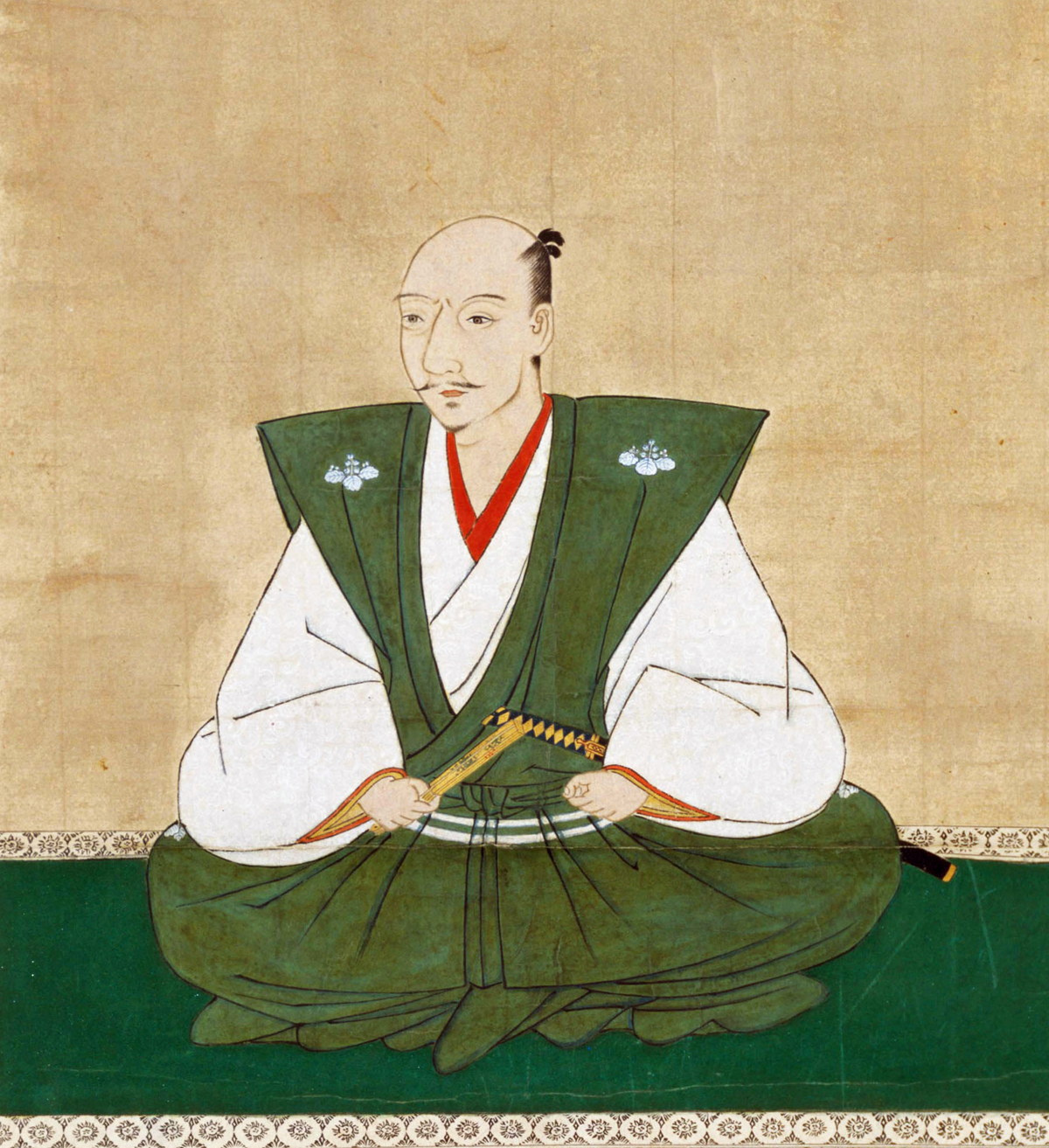
Portrait of Oda Nobunaga

Oda Nobunaga

1534 - June 21, 1582

Daimyō and unifier of central Japan

A ruthless and innovative warlord, Nobunaga had spent two decades breaking the power of rival daimyō, building castles, and reforming trade and military organization. By 1582 he controlled most of central Japan and was preparing to push west.

Portrait of Akechi Mitsuhide

Akechi Mitsuhide

1528 - July 2, 1582

General and former lord of Tanba

A trusted Oda general and a man of culture and politics, Mitsuhide had served Nobunaga loyally for years before the sudden attack. His exact motives remain one of the most debated questions in Japanese history.

Context

Why it happened

Nobunaga's aggressive redistribution of land and titles left some vassals feeling slighted or threatened.

Mitsuhide had reportedly been humiliated in public, including an incident at Kuroi Castle where he was blamed for a failed siege.

The court and clergy in Kyoto feared Nobunaga's growing power over traditional institutions.

Nobunaga was lightly guarded at Honnō-ji because his main army was preparing to invade Shikoku under Toyotomi Hideyoshi.

A long-standing explanation claims Mitsuhide was angered by a personal insult at a banquet, though this is debated.

The Incident

June 21, 1582

The attack was carefully planned and executed in a few hours on the morning of June 21, 1582.

Before dawn

Mitsuhide's march

With roughly 13,000 men, Mitsuhide leaves his castle at Sakamoto and heads toward Kyoto. The troops believe they are supporting Nobunaga's western campaign.

Dawn

Honnō-ji surrounded

The Akechi army surrounds the temple in the early morning fog. Nobunaga has only a small personal guard and a few servants.

Morning

Nobunaga realizes betrayal

He recognizes the attackers and is said to have cried, 'The enemy is in Honnō-ji.' He fights briefly with a bow before retreating into the burning temple.

Around 8:00 a.m.

The temple burns

Mitsuhide's men set fire to the buildings. Nobunaga performs seppuku rather than be captured. His body is never recovered intact.

The same day

Nobutada falls

Nobunaga's eldest son, Oda Nobutada, is attacked and killed at nearby Nijō Palace while trying to organize a defense.

June 21, 1582

Kyoto changes hands

Mitsuhide takes control of the capital and begins issuing orders as if he were the new ruler of Japan.

Aftermath

From betrayal to unification

13

Days until Mitsuhide's defeat

1582

End of Nobunaga's direct rule

1603

Tokugawa shogunate begins

The news reached Toyotomi Hideyoshi within days. He made a rapid peace with the Mōri clan, turned his army east, and caught Mitsuhide at the Battle of Yamazaki on July 2, 1582. Mitsuhide's army was destroyed and Mitsuhide himself was killed while fleeing.

Nobunaga's death did not end his work. Hideyoshi continued the unification of Japan, and after Hideyoshi's death Tokugawa Ieyasu completed the process by defeating the Toyotomi at Sekigahara in 1600 and establishing the Tokugawa shogunate in 1603. The Sengoku period was over.

Legacy

A wound that never fully healed

The Honnō-ji Incident remains one of the most discussed betrayals in Japanese history. Historians still debate Mitsuhide's true motives, and the exact words spoken at the burning temple have been retold, adapted, and dramatized for more than four centuries in chronicles, Noh, kabuki, novels, and film.

This summary is based on standard historical accounts of the Azuchi-Momoyama period and the major chronicles of the Oda, Akechi, and Toyotomi clans.